

Barcelona, October 18, 2023.- Logistics Matter magazine publishes an analysis on how to close gaps in supply chains. The keys are:
Resiliency lies in the supply chain’s ability to pivot swiftly and strategically in response to changing circumstances to ensure the continued and timely flow of goods and services. These resilient supply chain strategies can come in the form of the following points:
Diversification of shipping routes – to mitigate disruptions, consider diversifying shipping routes and put relevant plans into action ahead of time. Relying on multiple routes for the transportation of goods can reduce vulnerability due to unexpected events, such as natural disasters or geopolitical tensions. This approach provides flexibility and ensures that goods can still reach their destination even if one route is compromised.
Diversification in modes of transport – exploring various modes of transport, including air, land and sea options, can further enhance supply chain resilience. Depending on the nature of the goods and the urgency of delivery, choosing the most suitable transportation mode can be critical. Air transport offers speed for time-sensitive deliveries, while sea and land options may provide cost-effective alternatives for less urgent shipments.
Strengthening regulatory compliance – With leveraging Artificial Intelligence (AI) and Machine Learning (ML) technologies available in market-leading Trade Compliance solutions, businesses can automate internal processes, minimize documentation errors and ensure regulatory compliance. Hence, this reduces potential bottlenecks and delays at the ports or by border agencies such as Customs. Government agencies and ports also have a responsibility to ensure that they leverage the technological tools available to facilitate the flow of goods to the greatest extent possible without impacting their regulatory responsibilities.
In conclusion, all stakeholders must work together to implement proactive strategies that enhance supply chain resilience and visibility to ensure efficiency in the flow of goods across borders. It’s also equally important for businesses to ingrain flexibility and innovation in their operations so that they are able to proactively prepare for sudden challenges should they occur.
As businesses ramp up for the peak holiday season, they must remember that the key to thriving in today’s globalized economy is to fortify their supply chains through close collaboration between stakeholders to ensure effective trade facilitation. By leveraging tech, they can improve supply chain visibility and adaptability. They can only navigate disruptions and close gaps in the interconnected world with a “Total Trade” perspective.

- IRU: Current Analysis of European Transport

- “The era of playing it safe is over”

- Autonomy remains an aspiration more than a reality: Only 4% of firms surveyed aim to achieve full autonomy

- Heatwave reduces load levels on navigable rivers in Europe

- Robotic last-mile deliveries will be a short-term success?

- Current analysis: “57% said that their companies had experienced supply shortages over the last year”

- McKinsey & Company: “Increasing supply chain agility”

- “AI is now the leading cybersecurity concern for security and IT leaders”
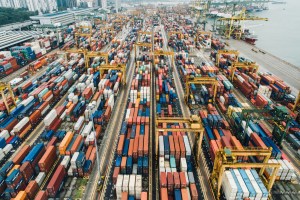
- “Integrating real-time monitoring and predictive tools within logistics processes is catching on”

- IRU: 3.4 million drivers will retire by 2029

- France proposes new fee on cheap online orders from Temu and Shein
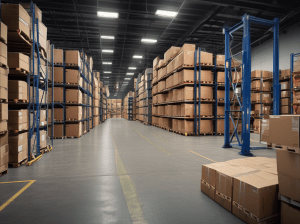
- Ecommerce: key obstacles in last-mile delivery
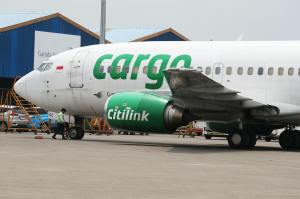

 Transportation & Logistics Software