

Barcelona, October 23, 2020.- The present of transport and logistics companies, within any supply chain, is technology to gain competitiveness, efficiency and security. We need to control all sources of information, all types of data, in any format. And then, interpret the large volume of figures and data to extract business decisions, day by day. Here is an Information Age report on different success stories in the implementation of artifical intelligence in supply chain companies:
“The global logistics industry is expected to increase to a value of $3,215 billion by 2021,” said Philip Ashton, CEO of 7bridges. “AI solutions in transport and logistics (T&L) are part of this growth, and will be essential for meeting consumers’ increasingly high expectations.
This article will delve into the many use cases that AI and automation has within the transport and logistics sector at present and going forward.
One kind of AI implementation that has been leveraged within the sector is a way to efficiently read masses of various data types, known as Cognitive Machine Reading.
Asheesh Mehra, group CEO of Antworks, explained: “The Covid-19 pandemic has given rise to a period of difficulty and uncertainty within the logistics and transport industry. Travel and operational restrictions have caused up to 75% of companies to experience significant disruptions to their supply chain operations. However, for those companies that have taken action to digitalise, automation has played a critical role in supporting and maintaining business as usual for processes such as logistics planning and customer billing.
“Cognitive Machine Reading (CMR)-based automation tools are reducing the arduous and time-consuming manual tasks traditionally associated with logistics planning. CMR does this by analysing, extracting and processing both structured and unstructured data formats, to quickly generate highly accurate reports for forecasting and follow-through operations.
“CMR is also transforming how companies process their billing mechanisms, another activity that is typically manually intensive. An example is a global transport and logistics company that managed to increase the accuracy of their billing procedures by up to 80% through CMR automation and reduced processing times by 63%.”
AIoT
A second kind of technology that has been disrupting the transport and logistics sector combines AI with the Internet of Things (IoT).
“The fast inroads made by emerging and new technologies have left transport and logistics companies with a lot of catching up to do,” said Anshuman Singh, vice-president and head of consulting, Europe at Mindtree. “In 2019, we saw an increase in an infusion of IoT into existing scenarios – with most of the challenges around adding IoT/sensor capabilities and enabling intelligence on the edge being resolved under AIoT.
“While the original purpose behind enabling these capabilities may have been to do with early prediction of faults or optimising usage patterns for efficiency, the large volume of data now available from these devices/sensors has opened up new avenues of exploration and optimisation.”
Singh went on to explain that progression occurred in the following three stages:
- Enabling core capabilities on the edge – these included basic sensor development, integration with available devices.
- Collecting the data generated from these sensors and storing them in a structured form on a central data store or data lake – typically on the cloud.
- Realising the synergy between AI/ML and IoT and combining them together into AIoT.
“Focus in this area has also been evolving along with the core technology itself – shifting towards applications of AIoT – away from initial device capabilities/integration. While IoT provided access to a large base of information, AI has enabled the creation of intelligent and energy efficient freight systems, enabling us to excel in energy sustainability, while in pursuit of our goal for greater supply chain orchestration.”
AI in aviation
Bhanu Choudhrie, executive director at C&C Alpha Group, explained how AI has, and can continue to assist operations within aviation, an industry that was particularly impacted by the pandemic due to demand plummeting.
“AI technologies have already been widely adopted across the air transport industry,” said Choudhrie. “From facial recognition at airport passport security to baggage check-in and remote aircraft monitoring, for years these innovations have been streamlining processes, both for operators and customers. However, AI has a much greater potential beyond these current applications.
“AI can play a pivotal role in revolutionising the aviation industry and Alpha Aviation Group is already working closely with both regulators and airlines to develop its potential in supporting the efficiency of air transport and future pilot pools.
“AI and machine learning algorithms excel at recognising patterns and are extremely efficient at collating data from the process of training cadets. As most flight simulators are already equipped with sensors that generate considerable amounts of data, this resource can now be used to assess pilot competency from the onset of training.
“Powerful AI and machine learning systems can analyse hundreds of flight parameters and sort through thousands of hours of simulator data to produce findings that a human coach wouldn’t have been able to determine. For example, AI programmes can evaluate a pilot’s ability as they execute key manoeuvres and create a comprehensive assessment of a cadet’s strengths and weaknesses based on real-time data.”
Supply chain management
A major aspect of transport and logistics operations is managing supply chains, and John Malpass, retail consultancy practice lead EMEA at Teradata, provided insight into how this area can benefit from AI.
“AI presents one of the biggest and most promising technological advancement opportunities facing the logistics and transport industry, not just in terms of robotics to replace manual tasks, but in the way we think about and manage the entire supply chain,” said Malpass. “Using AI to simply improve existing processes will, however, limit the potential value it can deliver. The technology really proves its worth when we use it to transform ways of working and business processes.
“Operating at the epicenter of this transformative change with AI is data. Integrating disparate data from the end to end supply chain and orchestrating it through automated analytics capabilities will enable new insights based approaches to optimise and operate the supply chain. Approaches which will allow users to think holistically about how the supply chain is managed in ways they have never been able to before.
“Using the combination of integrated data and predictive real-time automation, users can renovate and rethink outdated, manually intensive business processes. If implemented correctly, artificial intelligence will introduce new game changing capabilities which will drive a whole new way of working across the logistics and transport sectors delivering transformational and lasting change.”
Lastly, AI is capable of monitoring weather conditions in order to help find ways round coinciding problems, according to Peter Van Merode, vice-president, 3PL industry strategy at Blue Yonder.
He explained: “AI can play a key role in identifying potential transport and logistics disruptions, using information such as weather and expiration date of products in combination with machine learning (ML) to minimise problems, or avoid them altogether.
“For example, if AI spots that rough seas might potentially lead to a port being closed, ML can then be used to help retailers navigate the problem by advising another route to take. This is crucial as a delay to a boatful of vegetables arriving could lead to them having a shorter shelf life, or even perishing before they reach the store.
“Avoiding these kinds of logistical problems helps with efficiency while also dramatically cutting waste, ultimately helping retailers to increase profits.”
Transportation and Logistics Software

- IRU: Current Analysis of European Transport
 Barcelona, August 7, 2025. The IRU (International Road Transport Union) is the global organization representing road transport. Below is its latest report on European transport.
 - “The era of playing it safe is over”
 Barcelona, July 28, 2025.- According to Supply Chain 24/7 magazine, after years of economic strain, cyber threats, and global uncertainty, a new report from BDO finds that 61% of business leaders worldwide believe resilience—not just growth—is now the most important quality a company can possess.
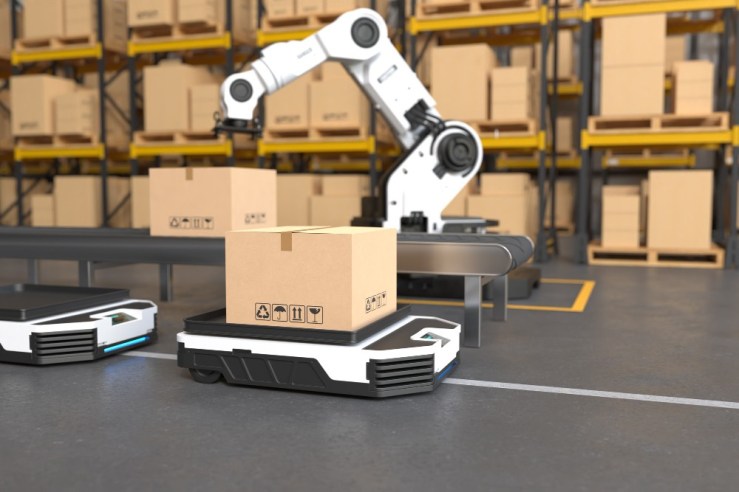
 - Autonomy remains an aspiration more than a reality: Only 4% of firms surveyed aim to achieve full autonomy
- Heatwave reduces load levels on navigable rivers in Europe
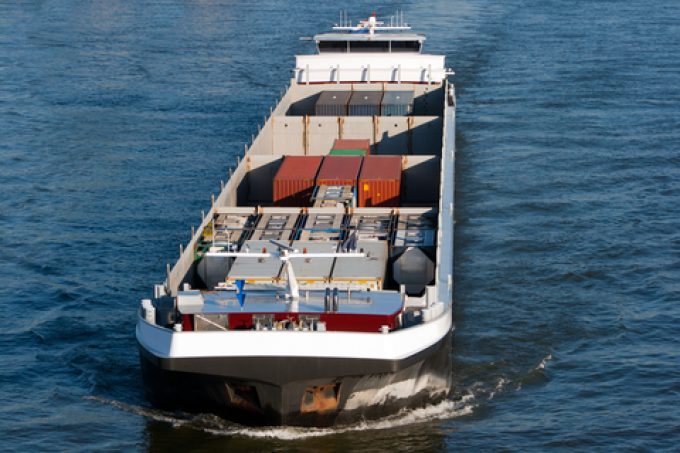 Barcelona, July 10, 2025.- A summer heatwave has lowered water levels for crucial shipping lanes across Europe, driving up costs and stalling cargo moving through the Rhine and Danube rivers. Reuters reports that temperatures peaked at 95 degrees Fahrenheit in Budapest, Hungary by the start of July, after the region received just 17% of its normal rainfall… Continue reading Heatwave reduces load levels on navigable rivers in Europe
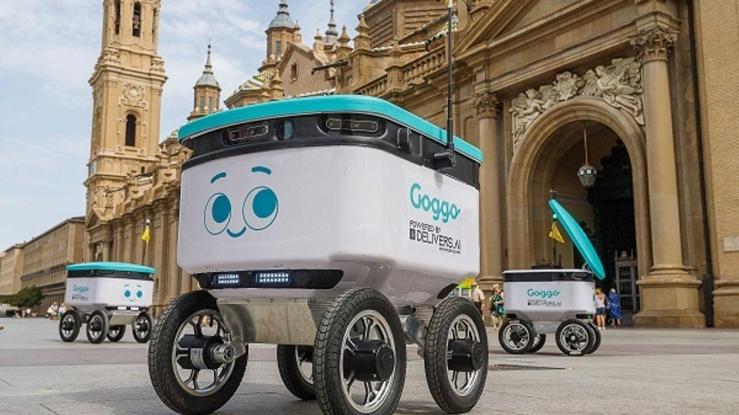
 - Robotic last-mile deliveries will be a short-term success?
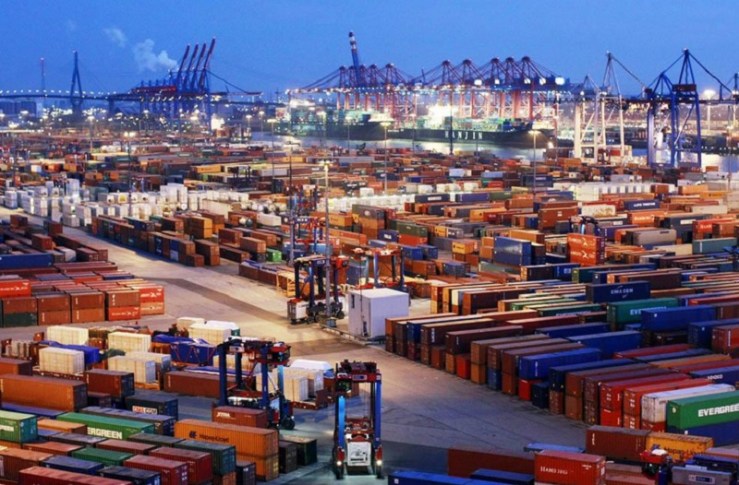
- Current analysis: “57% said that their companies had experienced supply shortages over the last year”
- McKinsey & Company: “Increasing supply chain agility”
- “AI is now the leading cybersecurity concern for security and IT leaders”
 Arctic Wolf, the security operations company, has published findings from its State of Cybersecurity: 2025 Trends Report, offering insights from a global survey of more than 1,200 senior IT and cybersecurity decision-makers across 15 countries. Conducted by Sapio Research, the report captures the realities, risks, and readiness strategies shaping the modern security landscape.
 - “Integrating real-time monitoring and predictive tools within logistics processes is catching on”
 Barcelona, May 19, 2025.- According to a report from Shipping and Freight Resource magazine, despite being complex, integrating real-time monitoring and predictive tools within logistics processes is catching on. Several notable drivers exist:
 - IRU: 3.4 million drivers will retire by 2029
 The report however reaffirms that the shortage of truck drivers is a long-term structural issue that persists in all regions. Of 5,100 trucking firms surveyed in 2024, up to 70% in some countries face severe or very severe difficulties in recruiting drivers.
 - France proposes new fee on cheap online orders from Temu and Shein
 Barcelona, May 5, 2025.- According to Supply Chain 24/7 magazine, French government officials are pushing to add a small handling fee to low-cost items bought online from outside the European Union. The move is aimed at curbing the surge of packages arriving from companies like Temu and Shein, which are mostly shipped from China. The proposal, announced during a visit… Continue reading France proposes new fee on cheap online orders from Temu and Shein
 - Ecommerce: key obstacles in last-mile delivery
 Barcelona, April 28, 2025.- According to a study published by Supply Chain Dive, the last mile has a well-earned reputation as the most complex part of the supply chain. Add on the pressure to meet rising consumer expectations to receive those goods next- or even same-day, and the bar is set even higher:
 - How to Make the Supply Chain More Cost Efficient
 For companies looking to start trying to save costs, Boston Consulting Group (BCG) has shared what it has seen when working with operations leaders across sectors. It has outlined five areas which should be central to any operation:
 - IRU: only 6.5% of truck drivers are under 25 years old, while the number of professionals over 55 continues to increase
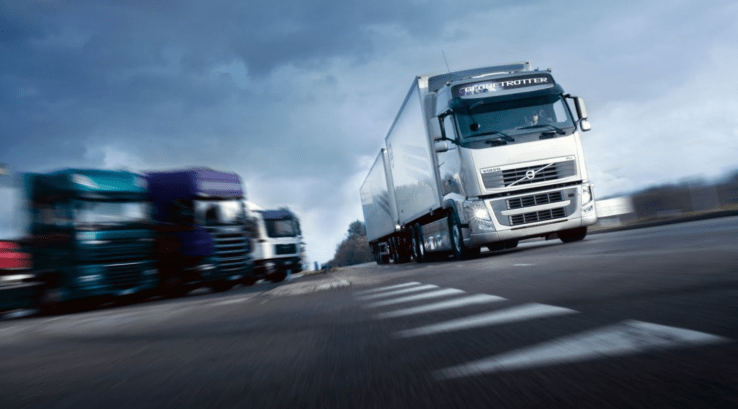 The shortage of truck drivers is alarming, with only 6.5% under the age of 25. The global average is 44.5 years, and 3.4 million are expected to retire in five years.
 - A report from the World Economic Forum and Kearney highlights the global shift towards regionalisation, resilience, digitalisation, and sustainability in supply chains
 Barcelona, April 9, 2025.- According to MHD Supply Chain News magazine, joint report from the World Economic Forum (WEF) and Kearney, Beyond Cost: Country Readiness for the Future of Manufacturing and Supply Chains, examines how global manufacturers are adapting their strategies in response to geopolitical shifts, trade disruptions, and technology advancements.
 - Is it true that tenders are undergoing a major transformation?
 Barcelona, April 7, 2025.- The newspaper El Mercantil has published a detailed analysis of the transformation of tenders. Its conclusions are as follows: The tenders and selection processes for choosing a logistics provider or transport company, known as “tenders,” have undergone a profound transformation. While until two years ago their main focus was on cost… Continue reading Is it true that tenders are undergoing a major transformation?
 - Enthusiasm for AI Grows‘The Future of Product Lifecycle Management and Digital Engineering’ is a survey based on insights from 656 executives in Europe, the US and Japan. It examines how leading automotive, aerospace, and machinery manufacturers (revenues >$40M) are addressing AI adoption, digital thread integration, regulatory compliance, and more.
- Gartner: the biggest Supply Chain tech trends of 2025
 Gartner has identified the top supply chain technology trends for 2025, focusing on connectivity and intelligence to help businesses stay competitive. These trends aim to improve logistics and warehousingefficiency, tracking, and automation.
 - Big Data in Road Planning and Management
 The Spanish Ministry of Transport and Sustainable Mobility has awarded a contract worth €6.14 million, including VAT, for the acquisition and processing of road information through Big Data tools, with the aim of improving the management of the State Road Network. The objective is to incorporate new sources of information, such as connected vehicle data,… Continue reading Big Data in Road Planning and Management
 - “Tariff volatility is now a permanent factor in supply chain strategy”Barcelona, March 4, 2025.- According to the Supply Chain Management Review, tariffs and trade restrictions are introducing new complexities into global supply chains, requiring businesses to rethink sourcing, logistics, and cost management. As tariffs evolve, companies must proactively mitigate risks and optimize supply chain operations to maintain efficiency and profitability.To navigate tariff uncertainty, businesses should adopt… Continue reading “Tariff volatility is now a permanent factor in supply chain strategy”
- Why Demand Planning Matters More Than Ever
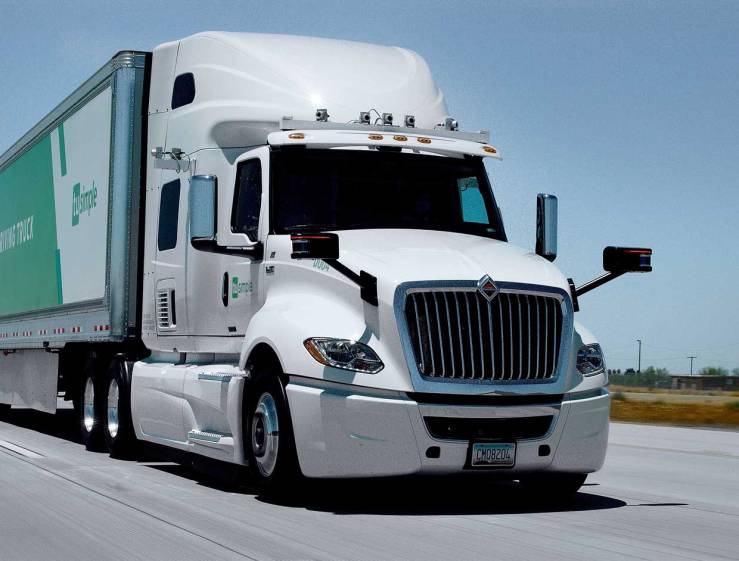 Supply chains have always been complex, but recent global disruptions, inflation, and shifting consumer habits have made demand planning even more essential. Businesses that fail to forecast demand accurately risk inventory shortages, higher costs, and frustrated customers:
 - “Escalating tariffs could send supply chains into further disarray”
 Barcelona, February 17, 2025.- The foreseeable trade war between the USA, Europe and China will have an impact on global supply chains. Below, Logistics Business magazine has published how to deal with these turbulences:
 - Supply Chain Movement: “The quest to apply AI”
 Barcelona, February 13, 2025.- Supply Chain Movement magazine has published an analysis on how to apply AI in supply chain companies. Its main advice: “Don´t focus on finding a killer app”.
 - IRU: The european road freight rate development benchmark (Q4 2024)
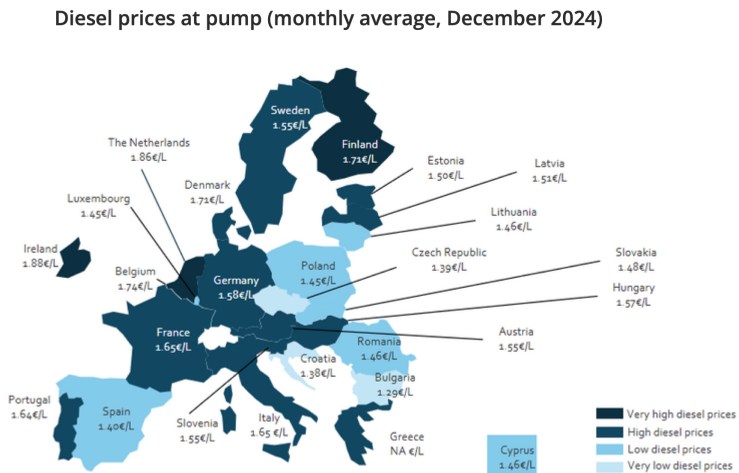 Barcelona, February 4, 2025.-
 - McKinsey: Resilience pulse check
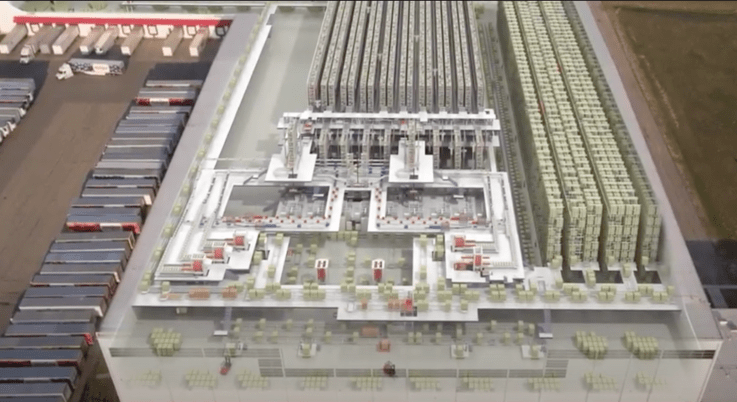 Barcelona, January 29, 2025.- McKinsey Consulting has assessed the current state of resilience in companies in a volatile international context. Its conclusions are:
 - How to implement agility in your supply chain, today, by 2025?Barcelona, January 21, 2025.- According to an analysis published by Freight Waves magazine, technology has evolved from an enabler to a strategic partner. End-to-end integrated supply chain platforms, AI, machine learning and advanced analytics are being used to optimize operations, predict disruptions and drive innovation. These platforms also facilitate faster implementations, greater user adoption and… Continue reading How to implement agility in your supply chain, today, by 2025?
- Gartner Top 10 Strategic Technology Trends ReportBarcelona, January 15, 2025.-
- The challenges to good data managementBarcelona, January 8, 2025.-
- El transporte de mercancías cerrará 2024 con el mejor dato desde hace más de una décadaBarcelona, 16 de diciembre del 2024.-
- The 5 biggest challenges facing supply chain managers in 2025Barcelona, December 12, 2024
- “The EU economy is returning to modest growth, while the disinflation process continues”
 Barcelona, November 21, 2024.-
 - IFR finds more than 4.2 million robots are now operating in factories worldwide
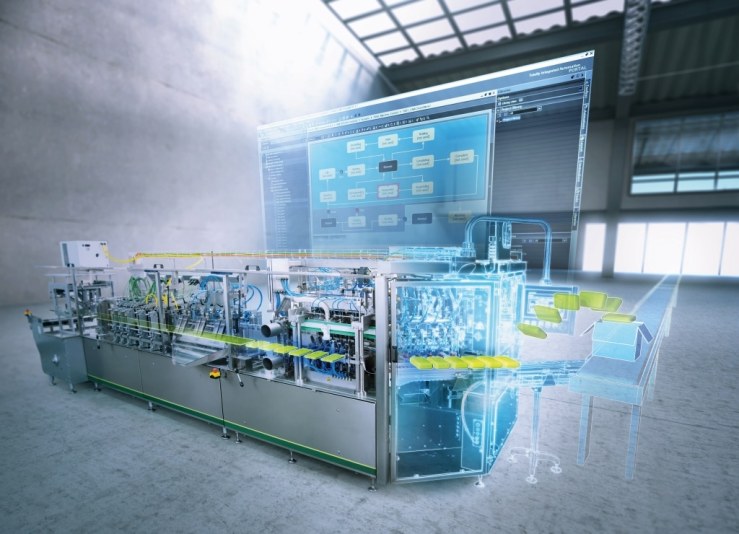 Barcelona, October 22, 2024.-
 - Gartner: “CIO challenges hinge on AI, data, cybersecurity, business value and talent” (2024-2025)
 Barcelona, October 3, 2024.-
 - Three types of Cyberattacks affecting global supply chains
 Barcelona, October 1, 2024.- According to an analysis published by the Global Supply Chain Institute, there are 3 types of cyberattacks against global supply chains:
 - ALICE: “SPECIFIC OPERATIONS THAT AI CAN IMPROVE”Barcelona, September 23, 2024.- ALICE (Alliance for Logistics Innovation through Collaboration in Europe) has highlighted which logistics operations are optimized with AI solutions:
- “The marriage of EDI and AI heralds a new era of efficiency and collaboration”Barcelona, September 18, 2024.- John Radko is SVP of engineering at OpenText and has published an analysis on the collaboration between EDI and AI solutions. These are his theses:
- Technological trends in transport companies
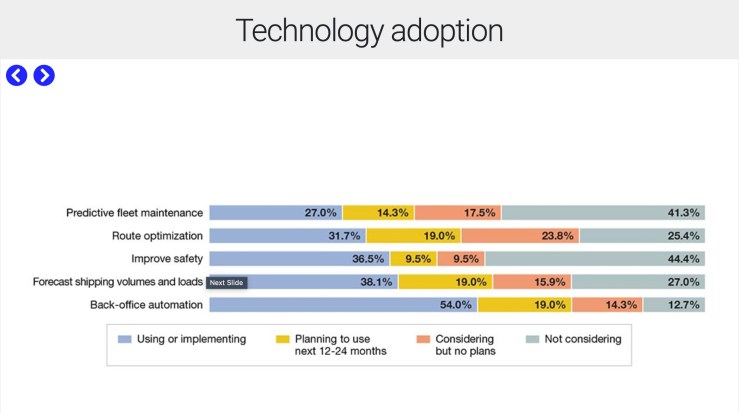 Barcelona, September 6, 2024.-
 - California issues draft framework for autonomous heavy trucks
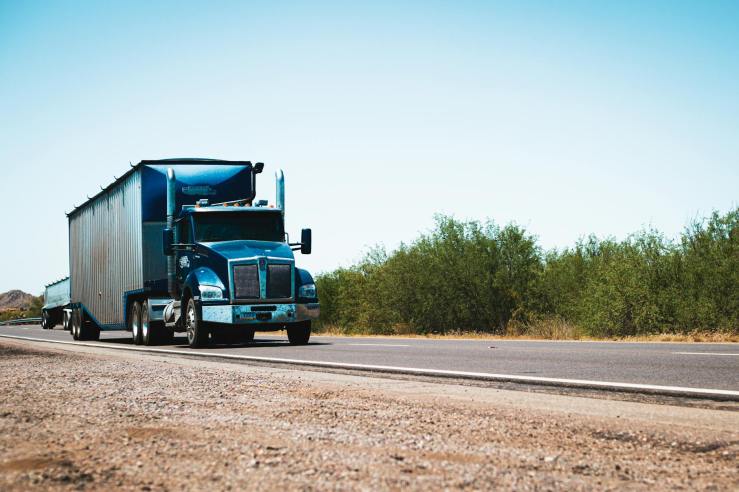 Barcelona, September 4, 2024.- “It’s time to take the next step and continue to responsibly advance technology that has the potential to not only enhance safe and sustainable transportation options but also to create new jobs and opportunities for workers within the evolving transportation sector,” said California Transportation Secretary Toks Omishakin, in announcing the draft… Continue reading California issues draft framework for autonomous heavy trucks
 - The Panama Canal is lifting restrictions that caused a global shipping bottleneck as water levels normalize
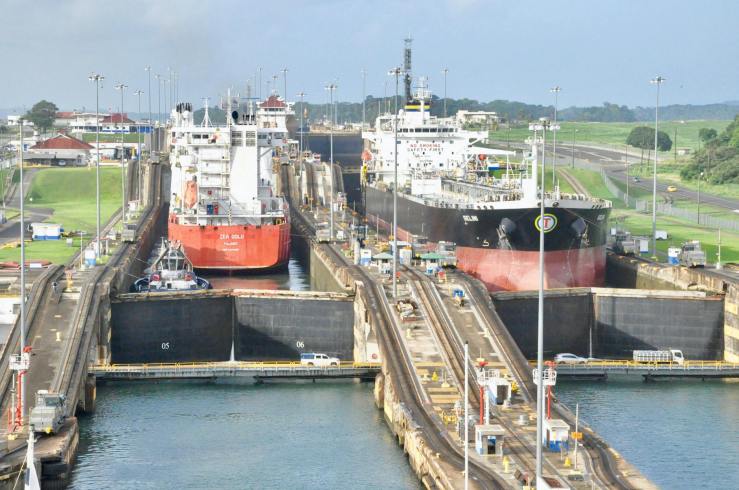 Barcelona, August 29, 2024.- The Panama Canal Authority increased the draft in the waterway to a maximum 50 feet and will allow 36 vessels a day to transit after recent rains lifted water levels at an artificial lake that forms part of the canal system, administrator Ricaurte Vasquez told reporters.
 - The integration of IoT technology into the supply chain and logistics industry provides several benefits, but also presents an array of challenges
 Barcelona, August 27, 2024.- IoT technology has transformed supply chain management by enabling real-time tracking, predictive maintenance and inventory optimization. Real-time tracking allows businesses to monitor shipments throughout their journey, providing valuable data for damage detection, route optimization and delivery time estimation.

 Transportation & Logistics Software