
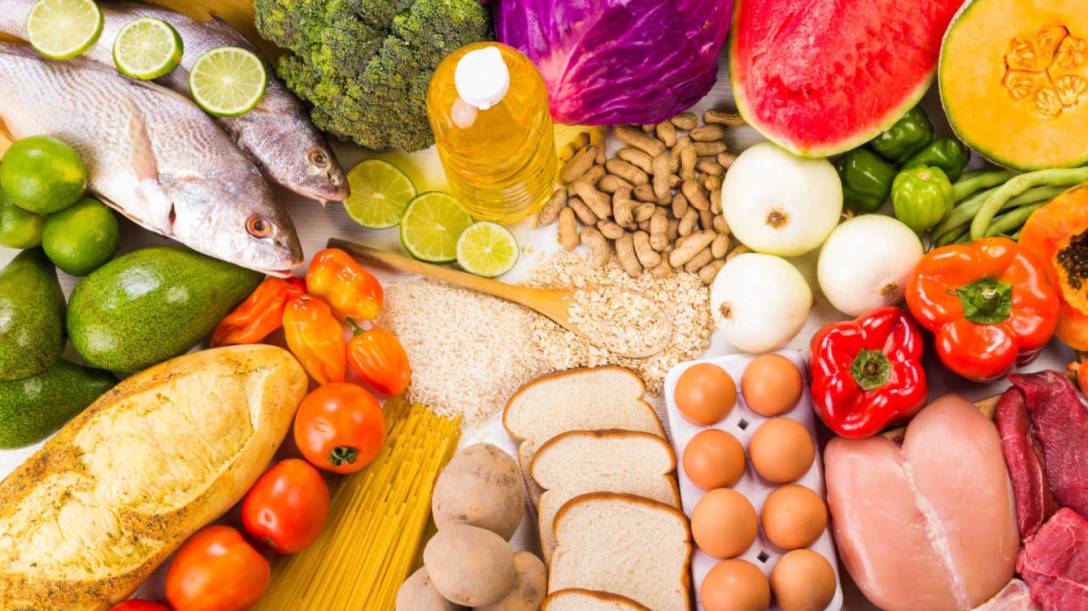
Barcelona, August 20, 2019.- The food supply chain is one of the first to innovate tracking processes, from origin to destination. It is a very sensitive industry in the manufacture of products, packaging, transport and distribution. Any failure can become food poisoning with tragic endings. For this reason, we have read an expert in this food industry and he tells us that one of the keys is to know how to process the large volume of data and make business decisions with them. The analysis was written by Harry Menear in the Supply Chain Digital magazine.
The food supply chain is one of the first to innovate tracking processes, from origin to destination. It is a very sensitive industry in the manufacture of products, packaging, transport and distribution. Any failure can become food poisoning with tragic endings. Read in: @softlogistico
Tweet
Information is Power
The FMI’s Senior Vice President of Industry Relations, Mark Baum, published his list of the food retail supply chain trends that are defining the industry today. Baum notes that, across all industry supply chains, accurate and digestible information is the key to building successful customer relationships, and food is no exception. Customers are reportedly demanding to know more about their food: where it comes from, what’s in it and where it’s been.
He notes that, “according to FMI’s 2019 U.S. Grocery Shopper Trends report, the average shopper looks for six different claims on the front of the product package, and 70% say having ‘accurate information displayed at the shelf or with the product’ is very important to them.”
The On-Demand supply chain
With the rise of immediate, customer facing food delivery companies like JustEat and Deliveroo, the modern consumer has access to and expects more immediate returns from food supply chains than ever before. The Amazonization of last mile delivery culture means that food is capable of appearing on a customer’s doorstep within hours – or even minutes, if you use something like Postmates – of ordering.
Companies with agile, responsive supply chains are the ones Baum sees as thriving in this new economy of immediacy. “Our supply chain networks will need to become efficient and move faster than ever before, and we’ll see a continued collapse of cycle times as processes continue to get faster and smarter.”
Data, Data and more Data
The level of transparency and potentially valuable insights into supply chains that the data revolution has created are staggering. In the last three years, the amount of data generated in the world exceeded by a dramatic margin all the data previously created in the history of humanity.
Baum notes that, “tracking every case, pallet, vehicle, item and customer in the supply chain will continue to create a vast amount of data. This rich ocean of detailed data, plus years of transaction-level data, will provide the perfect evolutionary conditions for a whole new generation of machine learning and optimization.” The companies that can collect and collate the right data about their food supply chains are the ones that will see the most success going forward.
The level of transparency and potentially valuable insights into supply chains that the data revolution has created are staggering. In the last three years, the amount of data generated in the world exceeded by a dramatic margin all the data previously created in the history of humanity. Read in: @softlogistico
Tweet
-

IRU: Current Analysis of European Transport
Barcelona, August 7, 2025. The IRU (International Road Transport Union) is the global organization representing road transport. Below is its latest report on European transport.
-

“The era of playing it safe is over”
Barcelona, July 28, 2025.- According to Supply Chain 24/7 magazine, after years of economic strain, cyber threats, and global uncertainty, a new report from BDO finds that 61% of business leaders worldwide believe resilience—not just growth—is now the most important quality a company can possess.
-
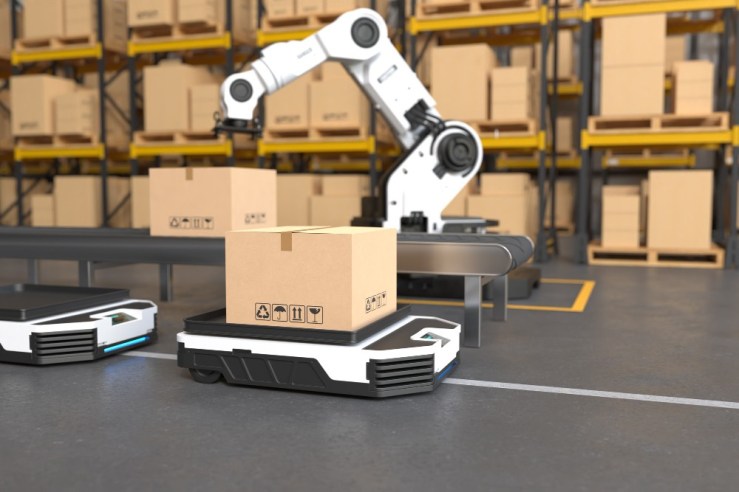
Autonomy remains an aspiration more than a reality: Only 4% of firms surveyed aim to achieve full autonomy
-

Heatwave reduces load levels on navigable rivers in Europe
Barcelona, July 10, 2025.- A summer heatwave has lowered water levels for crucial shipping lanes across Europe, driving up costs and stalling cargo moving through the Rhine and Danube rivers. Reuters reports that temperatures peaked at 95 degrees Fahrenheit in Budapest, Hungary by the start of July, after the region received just 17% of its normal rainfall… Read more
-
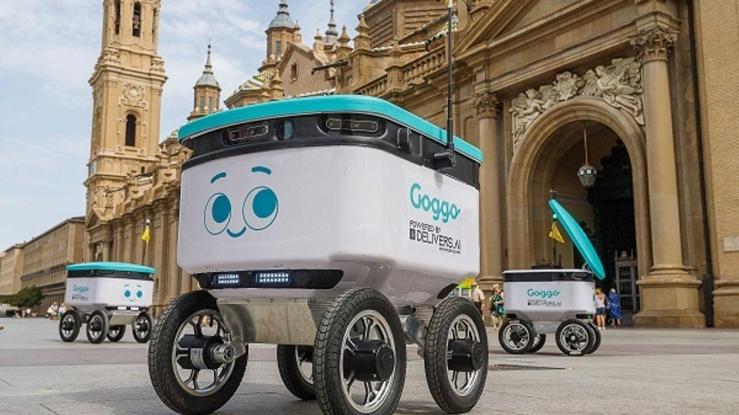
Robotic last-mile deliveries will be a short-term success?
-
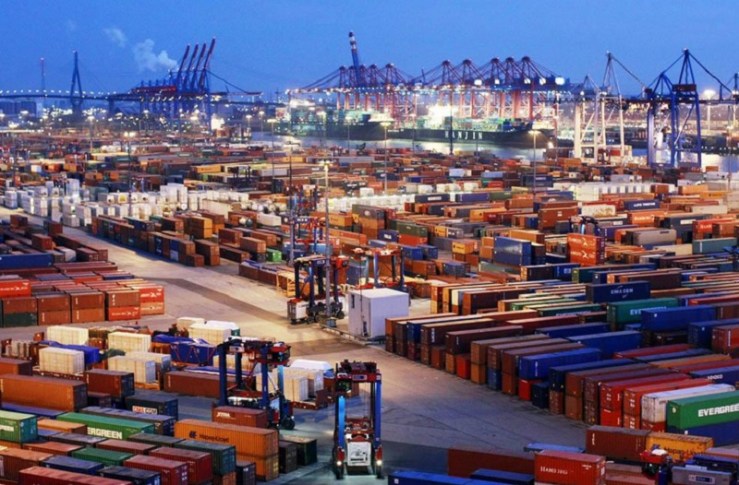
Current analysis: “57% said that their companies had experienced supply shortages over the last year”
-
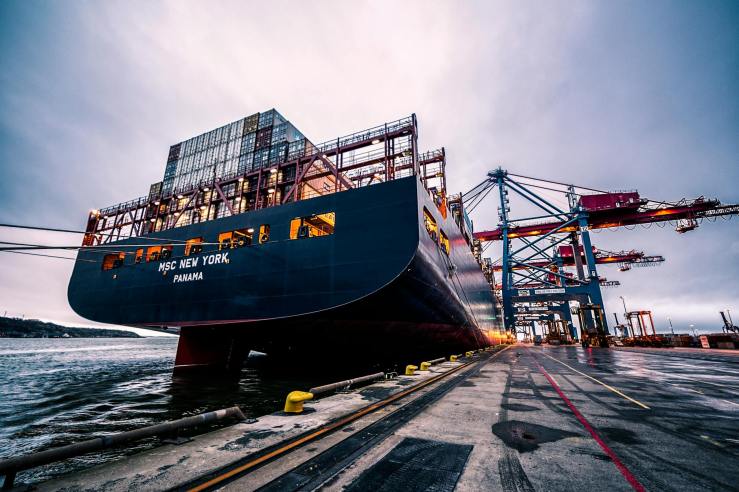
McKinsey & Company: “Increasing supply chain agility”
-
“AI is now the leading cybersecurity concern for security and IT leaders”
Arctic Wolf, the security operations company, has published findings from its State of Cybersecurity: 2025 Trends Report, offering insights from a global survey of more than 1,200 senior IT and cybersecurity decision-makers across 15 countries. Conducted by Sapio Research, the report captures the realities, risks, and readiness strategies shaping the modern security landscape.
-

“Integrating real-time monitoring and predictive tools within logistics processes is catching on”
Barcelona, May 19, 2025.- According to a report from Shipping and Freight Resource magazine, despite being complex, integrating real-time monitoring and predictive tools within logistics processes is catching on. Several notable drivers exist:
-
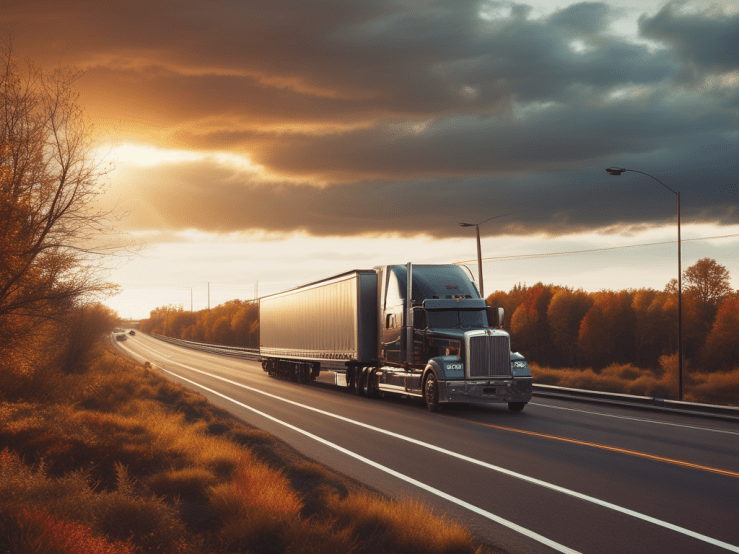
IRU: 3.4 million drivers will retire by 2029
The report however reaffirms that the shortage of truck drivers is a long-term structural issue that persists in all regions. Of 5,100 trucking firms surveyed in 2024, up to 70% in some countries face severe or very severe difficulties in recruiting drivers.

 Transportation & Logistics Software