

Barcelona, June 16, 2020.- The prestigious PWC Consultant has published a study on Process Automation in companies. Below, we have made a summary with the most practical conclusions for management software professionals, applied to transportation and logistics companies.
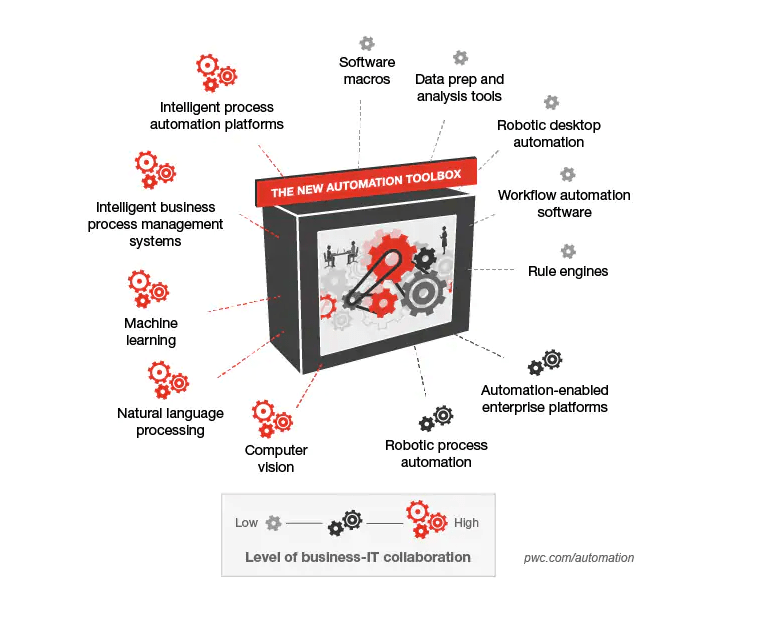
A key automation lever is deciding how to start: with end-to-end processes or with discrete tasks. Within a function, or across the business, successful automation initiatives identify problems that technology can solve—as opposed to starting with a specific technology like RPA or AI and looking at where to apply it. And those problems often come down to data, or, more specifically, to helping the people who currently must wrangle that data. For example, they do this within applications working in ERP systems or between applications when they need to pull data, manipulate it and feed it into another application. Or they manage data across the company, with standardized data groomed for access by many applications.
Automation is about all of those things. And every company needs to take a serious look at how they’re approaching it, especially as new tools put the power to solve problems and streamline tasks into the hands of business users. “Low-code,” or self-service, data management and RPA tools enable finance, human resources or other teams to address data challenges in their function and eliminate repetitive tasks. More advanced tools, which require stronger collaboration with the IT department, are also designed for business users and take advantage of artificial intelligence (AI) to intelligently optimize business processes.
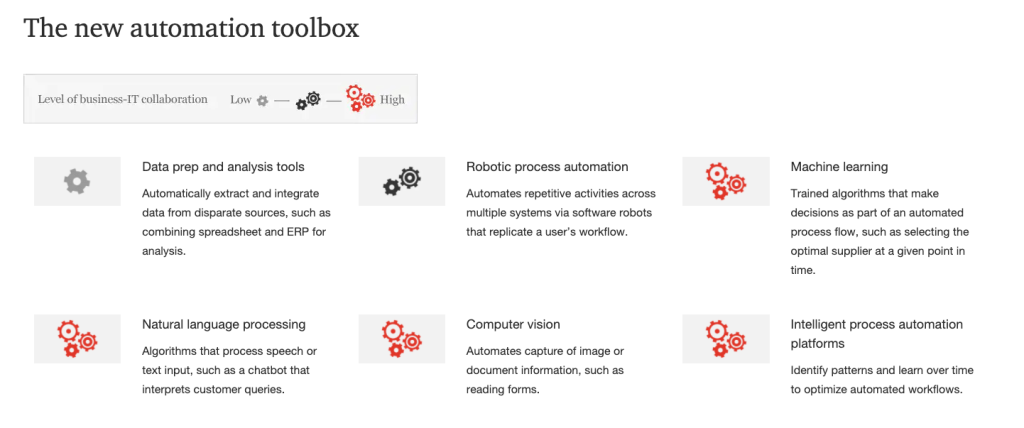
Natural language processing is an entry point on the journey to AI. Indeed, many companies are still selecting AI use cases and looking for practical ways to apply the technology. Automation may be the answer they’re looking for.
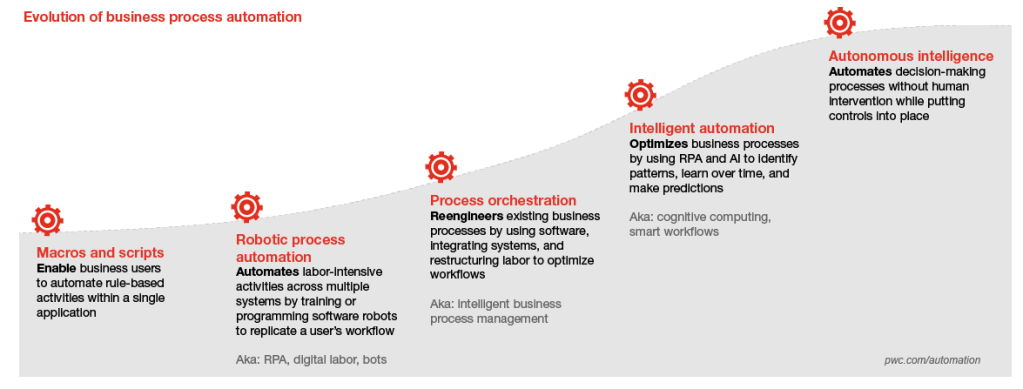
Intelligent automation quietly incorporates an ecosystem of technologies. Many companies, for example, use customer service chatbots on their websites. Such chatbots often start with rule-based automation and natural language processing but are later fortified with additional cognitive understandings of sentiment. Similarly, when insurance companies send drones to recognize the damage to rooftops after a hurricane, they can optimize machine learning image recognition models as an essential step to quick claims adjustment and payout.
More information on automation and software at AndSoft:
- IRU: Current Analysis of European Transport

- “The era of playing it safe is over”

- Autonomy remains an aspiration more than a reality: Only 4% of firms surveyed aim to achieve full autonomy
- Heatwave reduces load levels on navigable rivers in Europe

- Robotic last-mile deliveries will be a short-term success?

- Current analysis: “57% said that their companies had experienced supply shortages over the last year”

- McKinsey & Company: “Increasing supply chain agility”
- “AI is now the leading cybersecurity concern for security and IT leaders”

- “Integrating real-time monitoring and predictive tools within logistics processes is catching on”

- IRU: 3.4 million drivers will retire by 2029

- France proposes new fee on cheap online orders from Temu and Shein

- Ecommerce: key obstacles in last-mile delivery
- How to Make the Supply Chain More Cost Efficient

- IRU: only 6.5% of truck drivers are under 25 years old, while the number of professionals over 55 continues to increase

- A report from the World Economic Forum and Kearney highlights the global shift towards regionalisation, resilience, digitalisation, and sustainability in supply chains

- Is it true that tenders are undergoing a major transformation?

- Enthusiasm for AI Grows
- Gartner: the biggest Supply Chain tech trends of 2025
- Big Data in Road Planning and Management

- “Tariff volatility is now a permanent factor in supply chain strategy”
- Why Demand Planning Matters More Than Ever

- “Escalating tariffs could send supply chains into further disarray”

- Supply Chain Movement: “The quest to apply AI”

- IRU: The european road freight rate development benchmark (Q4 2024)
- McKinsey: Resilience pulse check

- How to implement agility in your supply chain, today, by 2025?

 Transportation & Logistics Software