
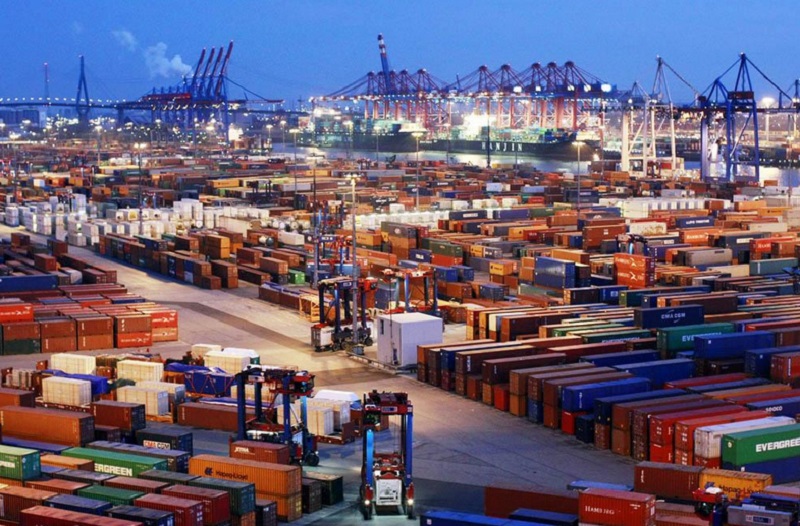
According to a survey from supply chain consultancy Inverto of 260 managers and employees across a range of industries, 57% said that their companies had experienced supply shortages over the last year, while 55% saw “significant impacts” from increased procurement costs, and 33% identified rising energy prices as a substantial risk to their business. Another 23% reported disruptions to their supply chains from climate-related events such as flooding, droughts or wildfires.
“Businesses are no longer just contending with single points of disruption,” said Inverto London principal Lina Tilley. “They’re facing multiple overlapping crises that have exposed any fragility of their supply chains.”
Companies are also contending with a wide swathe of geopolitical threats, with 20% highlighting the economic strife caused by tensions between the U.S. and its trading partners, 16% pointing to Russia’s war in Ukraine, and 15% citing ongoing conflicts in the Middle East. This has the vast majority of businesses looking to rework their supply chains, with 33% focusing on regional diversification of suppliers, 31% prioritizing nearshoring efforts, 29% opting for “local for local” supply chains where they’d be sourcing and producing goods from the same region, and 27% saying that they plan to work with fewer suppliers to reduce the
number of tiers in their supply chains.
To address procurement risks, nearly 40% of businesses said that they conduct regular supplier evaluations, while 36% make use of dual- or multiple-sourcing strategies, and 33% conduct safety stockpiling to deal with shortages. Even so, Inverto determined that most companies have been “reactive rather than proactive” when it comes to risk management, with just 45% using artificial intelligence to identify and manage supply chain vulnerabilities. “This is an area which many procurement departments used to be able to treat as an afterthought, or nice add-on,” Tilley said. “It has now become a central requirement for all category strategies.”
- IRU: Current Analysis of European Transport

- “The era of playing it safe is over”

- Autonomy remains an aspiration more than a reality: Only 4% of firms surveyed aim to achieve full autonomy
- Heatwave reduces load levels on navigable rivers in Europe
- Robotic last-mile deliveries will be a short-term success?

- Current analysis: “57% said that their companies had experienced supply shortages over the last year”

 Transportation & Logistics Software